


Discover the secrets of mastering the digital landscape with these advanced SEO techniques tailored for Cape Town businesses. Dive deep into the world of search engine optimization, utilizing strategies that ensure your website stands head and shoulders above the rest. Join us as we unravel the power of local SEO to increase your online visibility, drive traffic, and ramp up conversions. With Cape Town’s competitive market in mind, we’ve curated the best SEO practices to guarantee your business dominates the Google rankings. read on as we dive deeper on the SEO Techniques for Cape Town.

Keyword Research
Keyword research is the foundation of any successful SEO campaign.
By identifying the right keywords, you can target your content towards the specific needs and interests of your audience.
Use tools like Google Keyword Planner or SEMrush to find relevant keywords with high search volume and low competition.
Long-tail Keywords for Cape Businesses
For businesses in Cape, targeting long-tail keywords can be highly beneficial.
These are more specific phrases that potential customers are likely to use when searching for products or services in your area.
For example, instead of targeting “restaurant,” focus on “best seafood restaurant in Cape.”
By incorporating long-tail keywords into your content, you can attract highly targeted traffic and increase the chances of conversion.
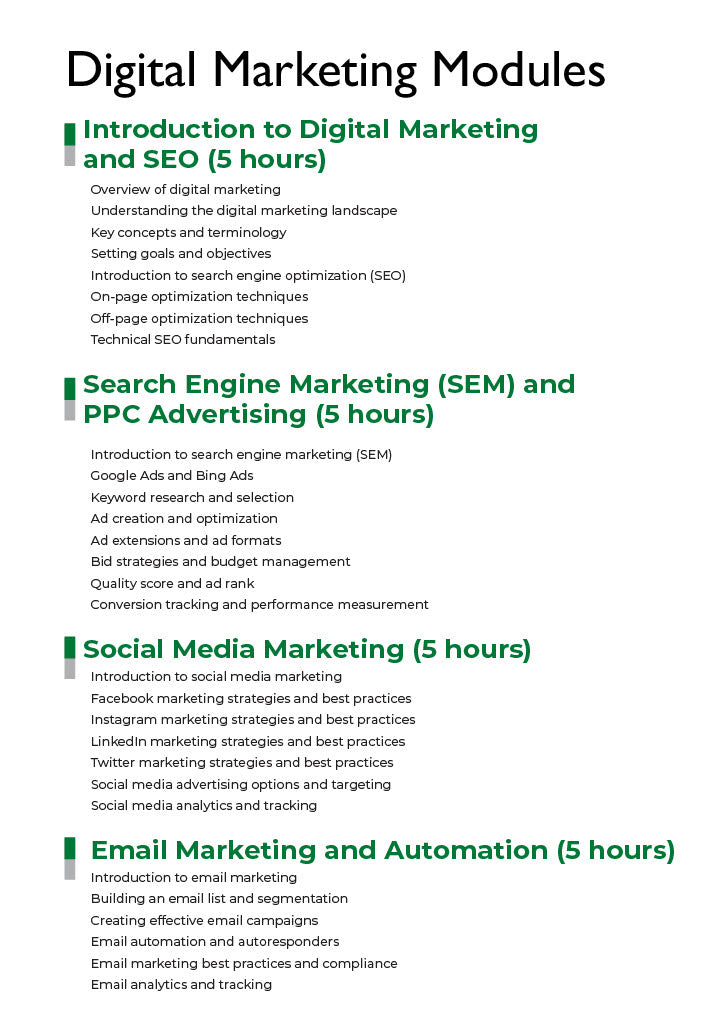
On-Page Optimization
On-page optimization involves optimizing various elements on your website to improve its visibility in search engine results pages (SERPs).
Title Tags and Meta Descriptions
Ensure that each page on your website has a unique and descriptive title tag that includes your target keyword.
The title tag should accurately summarize the content of the page and entice users to click through from the SERPs.
Similarly, craft compelling meta descriptions that provide a concise summary of the page’s content.
Including relevant keywords in the meta description can also help improve click-through rates.
Header Tags
Use header tags (H1, H2, H3, etc.) to structure your content and make it easier for search engines to understand.
Include your target keywords in the header tags to signal their importance to search engines.
URL Structure
Create SEO-friendly URLs that are descriptive and include relevant keywords.
Avoid using long, complex URLs with unnecessary parameters or numbers.
Optimized Content
Produce high-quality, informative content that is optimized for your target keywords.
Use natural language and avoid keyword stuffing, as search engines can penalize websites for this practice.
Include relevant images, videos, and other multimedia elements to enhance the user experience and keep visitors engaged on your website.

Technical SEO
Technical SEO involves optimizing the technical aspects of your website to improve its performance and crawlability by search engines.
Site Speed
Ensure that your website loads quickly on both desktop and mobile devices.
Slow-loading websites can negatively impact user experience and search engine rankings.
Compress images, minify CSS and JavaScript files, and leverage browser caching to improve site speed.
Mobile Optimization
With the increasing use of mobile devices, it is essential to have a mobile-friendly website.
Implement responsive design to ensure that your website adapts to different screen sizes and provides a seamless browsing experience.
XML Sitemap
Create an XML sitemap and submit it to search engines to help them discover and index your website’s pages more efficiently.
A well-structured sitemap can also improve the visibility of your website in search results.
Schema Markup
Implement schema markup to provide search engines with additional information about your website’s content.
This can help search engines understand your content better and display rich snippets in the SERPs, increasing click-through rates.
Canonical Tags
Use canonical tags to indicate the preferred version of a webpage when there are multiple versions with similar content.
This helps prevent duplicate content issues and ensures that search engines index the correct version of your page.

Link Building
Building high-quality backlinks is an essential aspect of SEO.
It helps search engines understand the relevance and authority of your website.
Local Citations
For businesses in Cape, building local citations is crucial.
Submit your business information to online directories, review sites, and local listings to improve your visibility in local search results.
Guest Blogging
Write informative guest posts for reputable websites in your industry.
Include a link back to your website in the author bio or within the content (if allowed).
This can help drive referral traffic and improve your website’s authority.
Content Promotion
Promote your content through social media, email marketing, and influencer outreach.
By reaching out to relevant influencers and industry experts, you can increase the chances of them sharing your content and linking back to your website.
Broken Link Building
Identify broken links on authoritative websites in your industry and reach out to the webmasters to suggest replacing the broken link with a link to your relevant content.
This technique can help you acquire high-quality backlinks.
Monitor Competitor Backlinks
Keep an eye on your competitors’ backlink profiles using tools like Ahrefs or Moz.
Identify their top-performing backlinks and try to replicate or improve upon them.

Monitoring and Analysis
Regularly monitor and analyze your website’s performance to identify areas for improvement and track the effectiveness of your SEO efforts.
Google Analytics
Set up Google Analytics to track important metrics such as organic traffic, bounce rate, and conversion rates.
Analyze this data to gain insights into user behavior and make data-driven decisions.
Google Search Console
Use Google Search Console to monitor your website’s indexing status, submit sitemaps, and identify any crawl errors or penalties.
It also provides valuable information about the keywords that are driving traffic to your website.
Rank Tracking
Track your website’s rankings for target keywords using tools like SEMrush or Ahrefs.
Monitor your progress over time and make adjustments to your SEO strategy as needed.
User Experience Analysis
Regularly review your website’s user experience to ensure it is intuitive, easy to navigate, and provides value to visitors.
Optimize your website’s design and functionality based on user feedback and behavior.
Conversion Rate Optimization
Analyze your website’s conversion rates and identify areas where you can improve.
Test different elements such as call-to-action buttons, forms, and landing page layouts to optimize conversions.
Conclusion SEO Techniques for Cape Town
Implementing advanced SEO techniques can significantly improve your website’s visibility and organic traffic in Cape.
By conducting thorough keyword research, optimizing your on-page elements, focusing on technical SEO, building high-quality backlinks, and monitoring your website’s performance, you can stay ahead of the competition and achieve long-term success in search engine rankings.
- Thorough keyword research
- Optimized on-page elements
- Effective technical SEO
- High-quality backlink building
- Regular monitoring and analysis
CONTACT FOR FREE CONSULTATION
Ready to skyrocket your online presence? Click here for a FREE consultation with South Africa’s leading SEO experts! Transform your business today at seoplus.co.za/free-consultation